Field essay 03 / Weather, water and position
Planning for Habitat and Light
A season is not a guarantee. Choose dates by asking how weather, vegetation and animal behaviour combine at the actual viewing site.
Replace “best time” with a photographic question
Start with the picture you hope to make. A bird against open water, a mammal within green vegetation and a backlit animal in dust need different conditions. The month with the easiest sightings may not give the habitat, behaviour or light you want.
Ask for a description of an ordinary day during your proposed dates. When do activities start? Which routes remain usable after rain? Does a morning in the hide end because of heat, light direction or an operational timetable? These answers reveal more than a gallery assembled across several years.
Separate climate from the immediate forecast. Seasonal rainfall patterns help with broad planning, but individual storms, drought and unusual temperatures can change access. Request recent information close to departure and accept that a responsible operator may close a track or hide at short notice.
Read the habitat behind the subject
In a savanna landscape, shorter grass and limited surface water can make some animals easier to locate. That does not mean every dry period is photographically preferable. Dust may reduce visibility, harsh light may arrive early and concentrated wildlife can increase pressure at remaining water.
Wetland conditions have their own timing. The Okavango Delta receives water from a distant catchment, so local rain and flood conditions do not follow a simple shared calendar. In the Danube Delta, water levels and access routes can change which reed edges or open-water areas are usable. Neither example supplies a universal month to book.
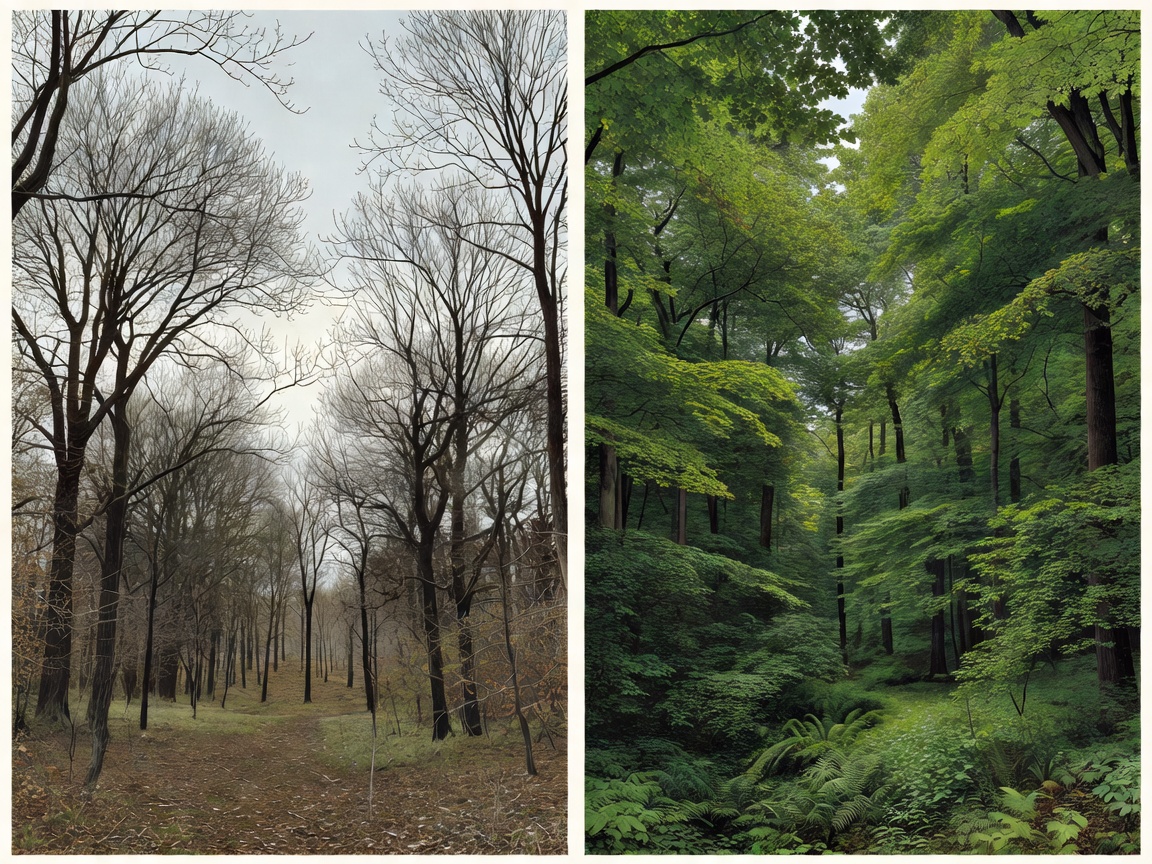
Woodland cover changes the technical problem. Leaf growth can obstruct sightlines while softening backgrounds; bare branches can reveal structure while adding visual clutter. In the Scottish Highlands, exposed positions and wind can make a modest walk demanding. In Białowieża Forest, protected-area rules and local permissions are central to planning, regardless of the light.
Ask where the lens will face
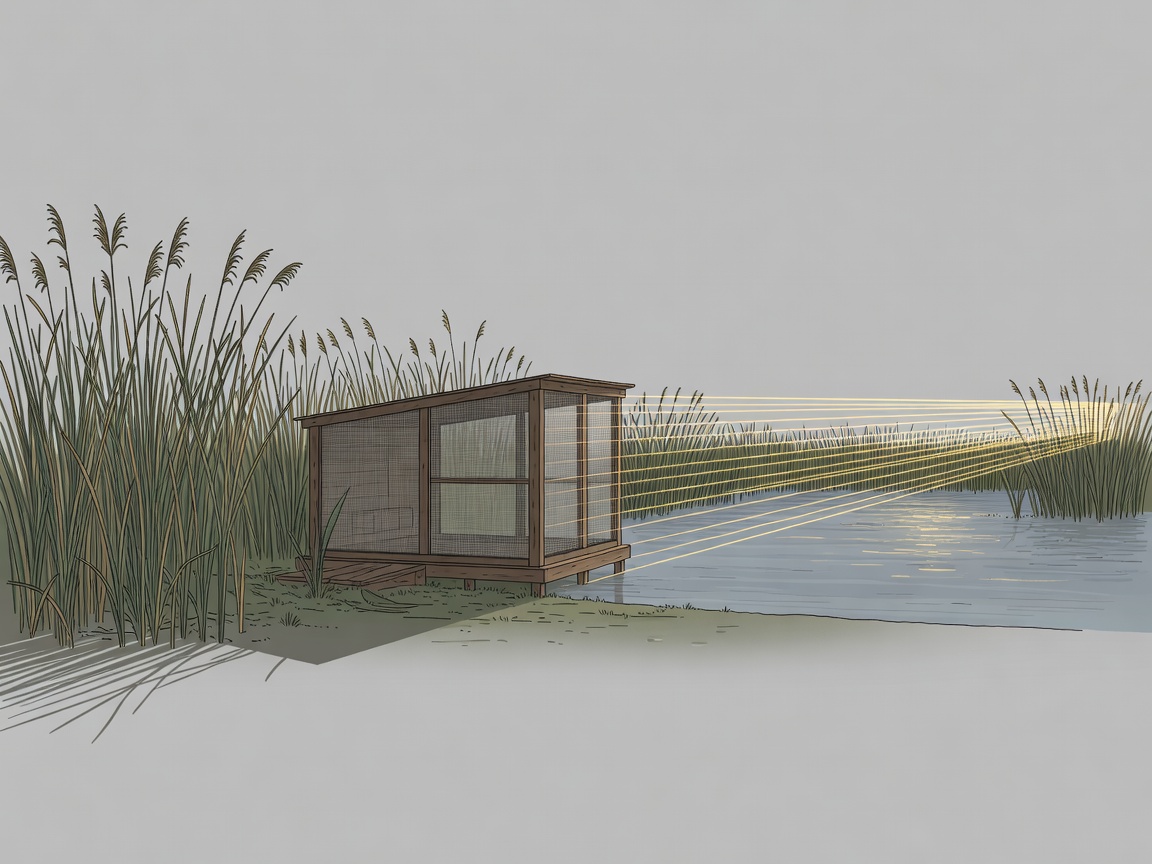
A hide’s compass direction matters, but it is not the whole answer. The sun’s path changes through the year; trees, banks and hills can delay or block direct light. Ask for an orientation description, the height of the viewing slot and the likely distance to the activity area.
Low camera positions can create a quiet background and an intimate perspective, yet they may be uncomfortable or inaccessible. They can also place reeds, grass or a water edge across the frame. Request an unedited reference photograph from the viewing position if perspective is central to your decision.
Do not assume a photograph labelled “morning” represents your dates. Ask when the example was made, whether supplementary light was used and whether the animal was attracted to a fixed position. Those details explain the image without requiring access to the photographer’s precise wildlife location.
Plan alternatives that do not add pressure
Overcast light may suit feather detail and dark fur better than strong sun. Rain can describe habitat, provided you can work safely without encouraging an animal to remain exposed. Midday can be useful for editing, resting and learning natural history rather than searching continuously for an unlikely dramatic frame.
Write down alternative subjects before you travel. Tracks in mud, distant groups, reflections, vegetation and evidence of land management can all contribute to a considered photographic account. Avoid disturbing cover or moving natural objects to manufacture a tidier scene.
| Condition | Photographic consequence |
|---|---|
| High water | Different access routes, altered backgrounds and possible hide closures. |
| Heavy leaf cover | Restricted sightlines, darker exposures and stronger habitat context. |
| Dry, dusty tracks | Haze, equipment protection needs and limits on vehicle movement. |
| Strong wind | Lens vibration, sound changes and reduced comfort in exposed positions. |
Build time around uncertainty
Leave room in the itinerary for rest and weather disruption. Tight connections can turn a sensible delay into pressure on a driver or guide. Check the cancellation and substitution terms rather than assuming that another hide will be equivalent.
Consult the relevant meteorological service and the operator’s current field report, treating both as information rather than a promise. The useful aim is not to remove uncertainty. It is to understand which uncertainties you can prepare for and which belong to photographing free-living animals.
Source notes: regional weather information is available from the Met Office and South African Weather Service. The UNESCO Okavango Delta entry provides landscape context. These sources do not verify estate operations or current track access.